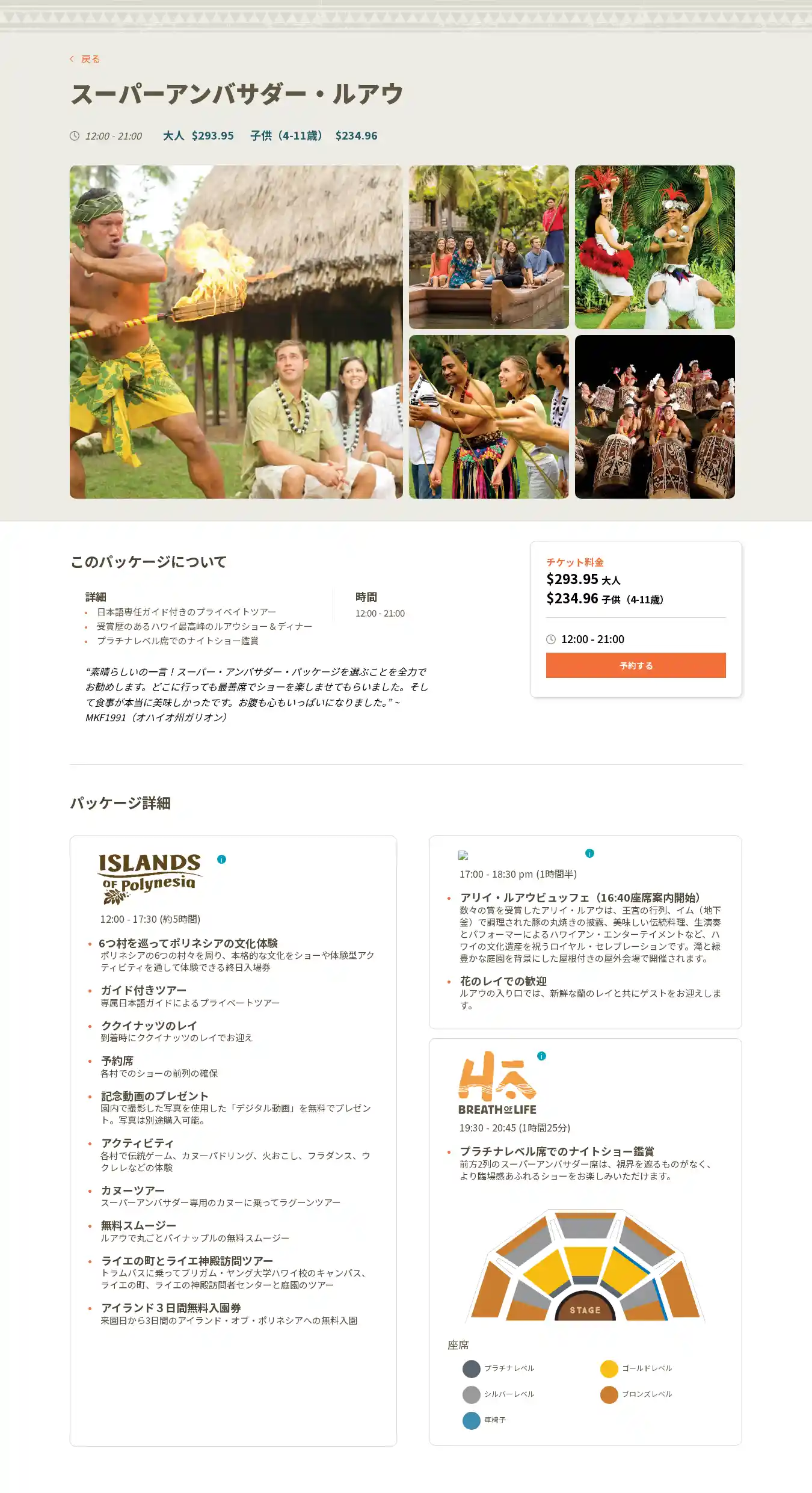
Boxes mark elements that failed a check. Hover or focus an element
in the lists below to highlight it here.
Accessibility — 5 failing checks
1Finding 1:
Image elements do not have `[alt]` attributes
Informative elements should aim for short, descriptive alternate text. Decorative elements can be ignored with an empty alt attribute. Learn more about the `alt` attribute.
Fix any of the following:
Element does not have an alt attribute
aria-label attribute does not exist or is empty
aria-labelledby attribute does not exist, references elements that do not exist or references elements that are empty
Element has no title attribute
Element's default semantics were not overridden with role="none" or role="presentation"
Fix any of the following:
Element does not have an alt attribute
aria-label attribute does not exist or is empty
aria-labelledby attribute does not exist, references elements that do not exist or references elements that are empty
Element has no title attribute
Element's default semantics were not overridden with role="none" or role="presentation"
Fix any of the following:
Element does not have an alt attribute
aria-label attribute does not exist or is empty
aria-labelledby attribute does not exist, references elements that do not exist or references elements that are empty
Element has no title attribute
Element's default semantics were not overridden with role="none" or role="presentation"
2Finding 2:
Background and foreground colors do not have a sufficient contrast ratio.
Low-contrast text is difficult or impossible for many users to read. Learn how to provide sufficient color contrast.
Fix any of the following:
Element has insufficient color contrast of 2.93 (foreground color: #f36f3a, background color: #ffffff, font size: 12.0pt (16px), font weight: bold). Expected contrast ratio of 4.5:1
Fix any of the following:
Element has insufficient color contrast of 2.93 (foreground color: #ffffff, background color: #f36f3a, font size: 10.5pt (14px), font weight: bold). Expected contrast ratio of 4.5:1
Fix any of the following:
Element has insufficient color contrast of 2.93 (foreground color: #f36f3a, background color: #ffffff, font size: 10.5pt (14px), font weight: bold). Expected contrast ratio of 4.5:1
Fix any of the following:
Element has insufficient color contrast of 2.93 (foreground color: #ffffff, background color: #f36f3a, font size: 10.5pt (14px), font weight: bold). Expected contrast ratio of 4.5:1
3Finding 3:
Links do not have a discernible name
Link text (and alternate text for images, when used as links) that is discernible, unique, and focusable improves the navigation experience for screen reader users. Learn how to make links accessible.
Fix all of the following:
Element is in tab order and does not have accessible text
Fix any of the following:
Element does not have text that is visible to screen readers
aria-label attribute does not exist or is empty
aria-labelledby attribute does not exist, references elements that do not exist or references elements that are empty
Element has no title attribute
Fix all of the following:
Element is in tab order and does not have accessible text
Fix any of the following:
Element does not have text that is visible to screen readers
aria-label attribute does not exist or is empty
aria-labelledby attribute does not exist, references elements that do not exist or references elements that are empty
Element has no title attribute
4Finding 4:
Touch targets do not have sufficient size or spacing.
Touch targets with sufficient size and spacing help users who may have difficulty targeting small controls to activate the targets. Learn more about touch targets.
Fix any of the following:
Target has insufficient size because it is partially obscured (smallest space is 274px by 19px, should be at least 24px by 24px)
Target has insufficient space to its closest neighbors. Safe clickable space has a diameter of 19px instead of at least 24px.
5Finding 5:
Heading elements are not in a sequentially-descending order
Properly ordered headings that do not skip levels convey the semantic structure of the page, making it easier to navigate and understand when using assistive technologies. Learn more about heading order.
6Finding 6:
Browser errors were logged to the console
Errors logged to the console indicate unresolved problems. They can come from network request failures and other browser concerns. Learn more about this errors in console diagnostic audit
7Finding 7:
Missing source maps for large first-party JavaScript
Source maps translate minified code to the original source code. This helps developers debug in production. In addition, Lighthouse is able to provide further insights. Consider deploying source maps to take advantage of these benefits. Learn more about source maps.
8Finding 8:
Image elements do not have `[alt]` attributes
Informative elements should aim for short, descriptive alternate text. Decorative elements can be ignored with an empty alt attribute. Learn more about the `alt` attribute.
Fix any of the following:
Element does not have an alt attribute
aria-label attribute does not exist or is empty
aria-labelledby attribute does not exist, references elements that do not exist or references elements that are empty
Element has no title attribute
Element's default semantics were not overridden with role="none" or role="presentation"
Fix any of the following:
Element does not have an alt attribute
aria-label attribute does not exist or is empty
aria-labelledby attribute does not exist, references elements that do not exist or references elements that are empty
Element has no title attribute
Element's default semantics were not overridden with role="none" or role="presentation"
Fix any of the following:
Element does not have an alt attribute
aria-label attribute does not exist or is empty
aria-labelledby attribute does not exist, references elements that do not exist or references elements that are empty
Element has no title attribute
Element's default semantics were not overridden with role="none" or role="presentation"
9Finding 9:
Links are not crawlable
Search engines may use `href` attributes on links to crawl websites. Ensure that the `href` attribute of anchor elements links to an appropriate destination, so more pages of the site can be discovered. Learn how to make links crawlable
Measured in a simulated mobile environment. These are
readings, not checks — treat them as context for the performance
score rather than defects to close.
12.4 sFirst Contentful Paint
24.8 sLargest Contentful Paint
930 msTotal Blocking Time
0.102Cumulative Layout Shift
12.4 sSpeed Index
Performance — 20 opportunities
Avoid enormous network payloads
Large network payloads cost users real money and are highly correlated with long load times. Learn how to reduce payload sizes.
These are the largest layout shifts observed on the page. Each table item represents a single layout shift, and shows the element that shifted the most. Below each item are possible root causes that led to the layout shift. Some of these layout shifts may not be included in the CLS metric value due to windowing. Learn how to improve CLS
Consider setting `font-display` to `swap` or `optional` to ensure text is consistently visible. `swap` can be further optimized to mitigate layout shifts with font metric overrides.
A forced reflow occurs when JavaScript queries geometric properties (such as `offsetWidth`) after styles have been invalidated by a change to the DOM state. This can result in poor performance. Learn more about forced reflows and possible mitigations.
Layout shifts occur when elements move absent any user interaction. Investigate the causes of layout shifts, such as elements being added, removed, or their fonts changing as the page loads.
Polyfills and transforms enable older browsers to use new JavaScript features. However, many aren't necessary for modern browsers. Consider modifying your JavaScript build process to not transpile Baseline features, unless you know you must support older browsers. Learn why most sites can deploy ES6+ code without transpiling
The maximum potential First Input Delay that your users could experience is the duration of the longest task. Learn more about the Maximum Potential First Input Delay metric.
Consider reducing the time spent parsing, compiling and executing JS. You may find delivering smaller JS payloads helps with this. Learn how to minimize main-thread work
Avoid chaining critical requests by reducing the length of chains, reducing the download size of resources, or deferring the download of unnecessary resources to improve page load.
Consider reducing the time spent parsing, compiling, and executing JS. You may find delivering smaller JS payloads helps with this. Learn how to reduce Javascript execution time.
Reduce unused rules from stylesheets and defer CSS not used for above-the-fold content to decrease bytes consumed by network activity. Learn how to reduce unused CSS.
Reduce unused JavaScript and defer loading scripts until they are required to decrease bytes consumed by network activity. Learn how to reduce unused JavaScript.
Accessibility: 19 checks passed, 42 not applicable
`[aria-*]` attributes match their roles
ARIA attributes are used as specified for the element's role
Deprecated ARIA roles were not used
`[aria-hidden="true"]` is not present on the document `<body>`
`[aria-hidden="true"]` elements do not contain focusable descendents
Elements use only permitted ARIA attributes
`[role]`s have all required `[aria-*]` attributes
`[role]` values are valid
`[aria-*]` attributes have valid values
`[aria-*]` attributes are valid and not misspelled
Buttons have an accessible name
Document has a `<title>` element
`<html>` element has a `[lang]` attribute
`<html>` element has a valid value for its `[lang]` attribute
Lists contain only `<li>` elements and script supporting elements (`<script>` and `<template>`).
List items (`<li>`) are contained within `<ul>`, `<ol>` or `<menu>` parent elements
`[user-scalable="no"]` is not used in the `<meta name="viewport">` element and the `[maximum-scale]` attribute is not less than 5.
No element has a `[tabindex]` value greater than 0
Document has a main landmark.
`[accesskey]` values are unique (not applicable)
`button`, `link`, and `menuitem` elements have accessible names (not applicable)
Elements with `role="dialog"` or `role="alertdialog"` have accessible names. (not applicable)
ARIA input fields have accessible names (not applicable)
ARIA `meter` elements have accessible names (not applicable)
ARIA `progressbar` elements have accessible names (not applicable)
Elements with an ARIA `[role]` that require children to contain a specific `[role]` have all required children. (not applicable)
`[role]`s are contained by their required parent element (not applicable)
Elements with the `role=text` attribute do not have focusable descendents. (not applicable)
ARIA toggle fields have accessible names (not applicable)
ARIA `tooltip` elements have accessible names (not applicable)
ARIA `treeitem` elements have accessible names (not applicable)
The page contains a heading, skip link, or landmark region (not applicable)
`<dl>`'s contain only properly-ordered `<dt>` and `<dd>` groups, `<script>`, `<template>` or `<div>` elements. (not applicable)
Definition list items are wrapped in `<dl>` elements (not applicable)
ARIA IDs are unique (not applicable)
No form fields have multiple labels (not applicable)
`<frame>` or `<iframe>` elements have a title (not applicable)
`<html>` element has an `[xml:lang]` attribute with the same base language as the `[lang]` attribute. (not applicable)
Input buttons have discernible text. (not applicable)
`<input type="image">` elements have `[alt]` text (not applicable)
Form elements have associated labels (not applicable)
Links are distinguishable without relying on color. (not applicable)
The document does not use `<meta http-equiv="refresh">` (not applicable)
`<object>` elements have alternate text (not applicable)
Select elements have associated label elements. (not applicable)
Skip links are focusable. (not applicable)
Cells in a `<table>` element that use the `[headers]` attribute refer to table cells within the same table. (not applicable)
`<th>` elements and elements with `[role="columnheader"/"rowheader"]` have data cells they describe. (not applicable)
`[lang]` attributes have a valid value (not applicable)
`<video>` elements contain a `<track>` element with `[kind="captions"]` (not applicable)
`autocomplete` attributes are used correctly (not applicable)
Elements with `role="none"` or `role="presentation"` do not have conflicts (not applicable)
SVG elements with an `img` role have an accessible text alternative (not applicable)
Tables have different content in the summary attribute and `<caption>`. (not applicable)
All heading elements contain content. (not applicable)
Uses ARIA roles only on compatible elements (not applicable)
Image elements do not have `[alt]` attributes that are redundant text. (not applicable)
Identical links have the same purpose. (not applicable)
Elements with visible text labels have matching accessible names. (not applicable)
Tables use `<caption>` instead of cells with the `[colspan]` attribute to indicate a caption. (not applicable)
`<td>` elements in a large `<table>` have one or more table headers. (not applicable)
Best Practices: 11 checks passed, 1 not applicable
Uses HTTPS
Avoids requesting the geolocation permission on page load
Avoids requesting the notification permission on page load
Allows users to paste into input fields
Displays images with correct aspect ratio
Serves images with appropriate resolution
Page has the HTML doctype
Properly defines charset
Avoids deprecated APIs
Avoids third-party cookies
No issues in the `Issues` panel in Chrome Devtools
Redirects HTTP traffic to HTTPS (not applicable)
SEO: 6 checks passed
Page isn’t blocked from indexing
Document has a `<title>` element
Page has successful HTTP status code
Links have descriptive text
robots.txt is valid
Document has a valid `hreflang`
Scanned
· Lighthouse 13.4.1
1112223666
Boxes mark elements that failed a check. Hover or focus an element
in the lists below to highlight it here.
Accessibility — 3 failing checks
1Finding 1:
Image elements do not have `[alt]` attributes
Informative elements should aim for short, descriptive alternate text. Decorative elements can be ignored with an empty alt attribute. Learn more about the `alt` attribute.
Fix any of the following:
Element does not have an alt attribute
aria-label attribute does not exist or is empty
aria-labelledby attribute does not exist, references elements that do not exist or references elements that are empty
Element has no title attribute
Element's default semantics were not overridden with role="none" or role="presentation"
Fix any of the following:
Element does not have an alt attribute
aria-label attribute does not exist or is empty
aria-labelledby attribute does not exist, references elements that do not exist or references elements that are empty
Element has no title attribute
Element's default semantics were not overridden with role="none" or role="presentation"
Fix any of the following:
Element does not have an alt attribute
aria-label attribute does not exist or is empty
aria-labelledby attribute does not exist, references elements that do not exist or references elements that are empty
Element has no title attribute
Element's default semantics were not overridden with role="none" or role="presentation"
2Finding 2:
Background and foreground colors do not have a sufficient contrast ratio.
Low-contrast text is difficult or impossible for many users to read. Learn how to provide sufficient color contrast.
Fix any of the following:
Element has insufficient color contrast of 2.45 (foreground color: #f36f3a, background color: #ecebe4, font size: 12.0pt (16px), font weight: normal). Expected contrast ratio of 4.5:1
Fix any of the following:
Element has insufficient color contrast of 2.93 (foreground color: #f36f3a, background color: #ffffff, font size: 12.0pt (16px), font weight: bold). Expected contrast ratio of 4.5:1
Fix any of the following:
Element has insufficient color contrast of 2.93 (foreground color: #ffffff, background color: #f36f3a, font size: 10.5pt (14px), font weight: bold). Expected contrast ratio of 4.5:1
3Finding 3:
Heading elements are not in a sequentially-descending order
Properly ordered headings that do not skip levels convey the semantic structure of the page, making it easier to navigate and understand when using assistive technologies. Learn more about heading order.
4Finding 4:
Browser errors were logged to the console
Errors logged to the console indicate unresolved problems. They can come from network request failures and other browser concerns. Learn more about this errors in console diagnostic audit
5Finding 5:
Missing source maps for large first-party JavaScript
Source maps translate minified code to the original source code. This helps developers debug in production. In addition, Lighthouse is able to provide further insights. Consider deploying source maps to take advantage of these benefits. Learn more about source maps.
6Finding 6:
Image elements do not have `[alt]` attributes
Informative elements should aim for short, descriptive alternate text. Decorative elements can be ignored with an empty alt attribute. Learn more about the `alt` attribute.
Fix any of the following:
Element does not have an alt attribute
aria-label attribute does not exist or is empty
aria-labelledby attribute does not exist, references elements that do not exist or references elements that are empty
Element has no title attribute
Element's default semantics were not overridden with role="none" or role="presentation"
Fix any of the following:
Element does not have an alt attribute
aria-label attribute does not exist or is empty
aria-labelledby attribute does not exist, references elements that do not exist or references elements that are empty
Element has no title attribute
Element's default semantics were not overridden with role="none" or role="presentation"
Fix any of the following:
Element does not have an alt attribute
aria-label attribute does not exist or is empty
aria-labelledby attribute does not exist, references elements that do not exist or references elements that are empty
Element has no title attribute
Element's default semantics were not overridden with role="none" or role="presentation"
7Finding 7:
Links are not crawlable
Search engines may use `href` attributes on links to crawl websites. Ensure that the `href` attribute of anchor elements links to an appropriate destination, so more pages of the site can be discovered. Learn how to make links crawlable
Measured in a simulated desktop environment. These are
readings, not checks — treat them as context for the performance
score rather than defects to close.
1.9 sFirst Contentful Paint
2.6 sLargest Contentful Paint
410 msTotal Blocking Time
0.002Cumulative Layout Shift
1.9 sSpeed Index
Performance — 18 opportunities
Avoid enormous network payloads
Large network payloads cost users real money and are highly correlated with long load times. Learn how to reduce payload sizes.
Consider setting `font-display` to `swap` or `optional` to ensure text is consistently visible. `swap` can be further optimized to mitigate layout shifts with font metric overrides.
A forced reflow occurs when JavaScript queries geometric properties (such as `offsetWidth`) after styles have been invalidated by a change to the DOM state. This can result in poor performance. Learn more about forced reflows and possible mitigations.
Polyfills and transforms enable older browsers to use new JavaScript features. However, many aren't necessary for modern browsers. Consider modifying your JavaScript build process to not transpile Baseline features, unless you know you must support older browsers. Learn why most sites can deploy ES6+ code without transpiling
The maximum potential First Input Delay that your users could experience is the duration of the longest task. Learn more about the Maximum Potential First Input Delay metric.
Consider reducing the time spent parsing, compiling and executing JS. You may find delivering smaller JS payloads helps with this. Learn how to minimize main-thread work
Avoid chaining critical requests by reducing the length of chains, reducing the download size of resources, or deferring the download of unnecessary resources to improve page load.
Consider reducing the time spent parsing, compiling, and executing JS. You may find delivering smaller JS payloads helps with this. Learn how to reduce Javascript execution time.
Reduce unused rules from stylesheets and defer CSS not used for above-the-fold content to decrease bytes consumed by network activity. Learn how to reduce unused CSS.
Reduce unused JavaScript and defer loading scripts until they are required to decrease bytes consumed by network activity. Learn how to reduce unused JavaScript.